New phishing attack on Android and iOS users using PWA and WebAPK: how to protect yourself?

Citizen
Citizen Sec,
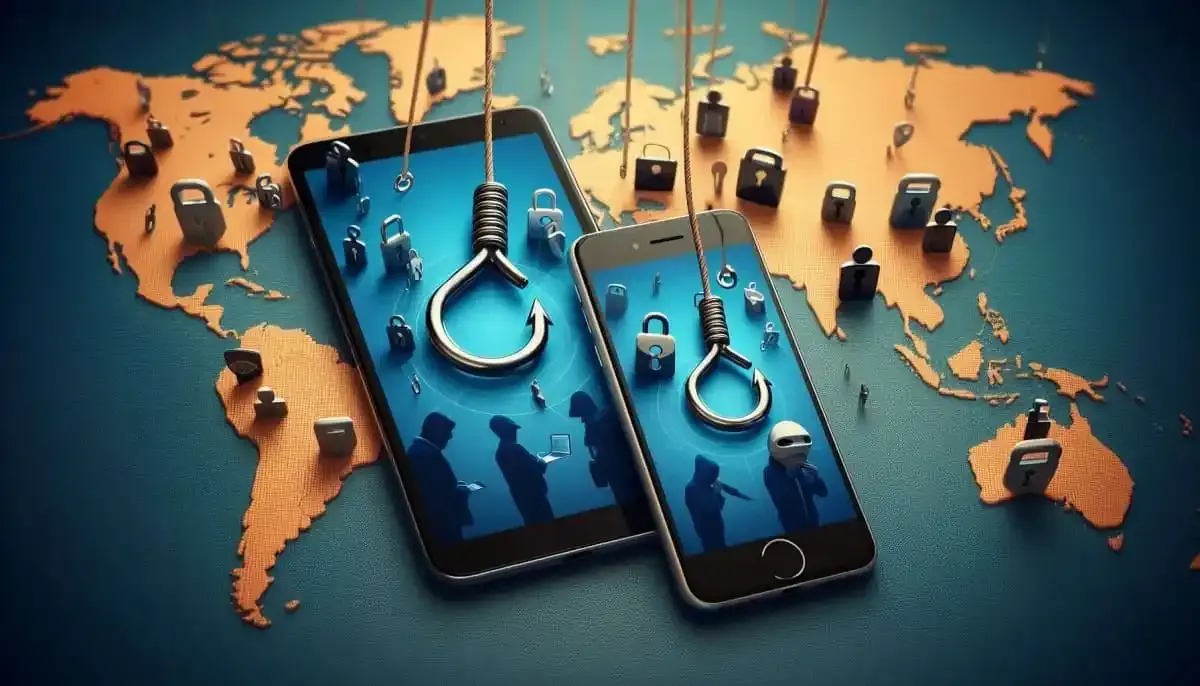
A new type of phishing attack has been discovered that targets Android and iOS users. This attack uses traditional social engineering techniques along with Progressive Web Applications (PWA) and WebAPK, making it a serious threat to mobile users.
The attack was first identified in November 2023, and since then several cases have been reported, mainly among Czech bank clients. However, cases have also been recorded in Hungary and Georgia, indicating wider coverage.
>The page checks whether a mobile device is in use and, if so, prompts you to install the application through a pop-up window. The phishing app you install can be a PWA or WebAPK, allowing it to run on multiple platforms and devices. PWAs are essentially websites packaged into a standalone application that can be launched from a menu or home screen.
>WebAPKs are an advanced version of PWAs created by the Chrome browser as a native Android application. The installed phishing application is almost indistinguishable from a real banking application, with the same logo and design. Upon opening the application, the victim will see a fake login page where they will be asked to enter their online banking information. The entered information is sent to the attackers servers.
>The attackers C&C (Command and Control) infrastructure is quite complex, with two different groups running the phishing campaigns. One group uses a Telegram bot to log all entered information into a Telegram group chat via the official API, while the other uses a traditional C&C server with an admin panel.
>Attackers evade detection by using multiple domains and preparing new malicious campaigns. According to ESET researchers, some of the C&C servers have been deactivated and the affected banks have been notified.
>To protect yourself from this type of phishing attack, it is important to be careful when installing new applications, especially those that ask for sensitive information. Always check the authenticity of the application and the site from which it is downloaded. Also, keep your device and browser up to date by installing the latest security updates.
>This new type of phishing attack poses a serious threat to Android and iOS users. By combining traditional social engineering methods with the use of PWA and WebAPK, attackers have created a dangerous tool for deception.
You will be interested
CitizenSec is heading to Comic Con 🎮
At our booth, you won't just take photos with superheroes, you'll become one.
@CitizenSec
04-08-2026Как защитить детей в цифровом мире: почему безопасность в интернете — это важно
Современные дети растут в эпоху цифровых технологий — смартфоны, планшеты, социальные сети и онлайн-игры стали неотъемлемой частью их жизни. Интернет открывает массу возможностей для учёбы, творчества и общения, но вместе с этим приносит и серьёзные риски.

@citizensec
30-05-2025Регламент по использованию корпоративной электронной почты
Правила использования корпоративной почты: что разрешено, что запрещено, меры безопасности и ответственность.
@CitizenSec
19-05-2025Women in cybersecurity from Kazakhstan
The special edition is dedicated to women in cybersecurity who overcome challenges, inspire others, and make the world safer. We share the stories of three professionals, their paths in cybersecurity, career advice, and tips on online security. Learn how to start your journey in cybersecurity and grow in this dynamic field.
@citizensec
03-05-2025Attention to Everyday IT Tools: New Tactic of a Chinese Spy Group
Microsoft Warns: Chinese Spy Group Uses Everyday IT Tools to Hack Networks
@turin.medet
06-03-2025Zebo-0.1.0 and Cometlogger-0.1: Dangerous Programs Stealing Data and Controlling Computers
Experts have discovered two dangerous programs that seem harmless at first. These programs can steal personal data, monitor computer activity, and even take control of the system.
@CitizenSec
26-12-2024Postman Workspaces Expose Over 30,000 API Keys and Sensitive Tokens
Thousands of Postman workspaces accidentally revealed sensitive data such as API keys and access tokens. Learn how to secure your API development environment and protect your organization's data.
@CitizenSec
21-11-2024New SteelFox Trojan mimics software activators, stealing sensitive data and mining cryptocurrency
SteelFox was first identified in August 2023, but its activity has increased markedly. More than 11,000 infection attempts have been recorded in recent months.
@CitizenSec
11-11-2024Critical vulnerability CVE-2024-43093 threatens the security of Android users
This problem allows hackers to gain unauthorized access to important Android system folders.
@CitizenSec
05-11-2024ChatGPT was persuaded to create an exploit by slipping instructions in 16-bit format
A Mozilla researcher has proposed a new way to bypass content filters in large language models (LM) used to prevent abuse.
@CitizenSec
01-11-2024